Budget-Friendly Swimming Pool Service for Year-Round Pleasure
An inexpensive swimming pool service is vital for keeping a working and delightful outdoor space. Consistent care and prompt fixes can prevent minor issues from escalating into major expenses. Pool owners often miss common problems that can affect water quality and safety. Understanding the intricacies of do-it-yourself fixes and identifying reliable local services can significantly reduce costs. However, many still wonder about the best practices to promise their pools remain attractive year-round.
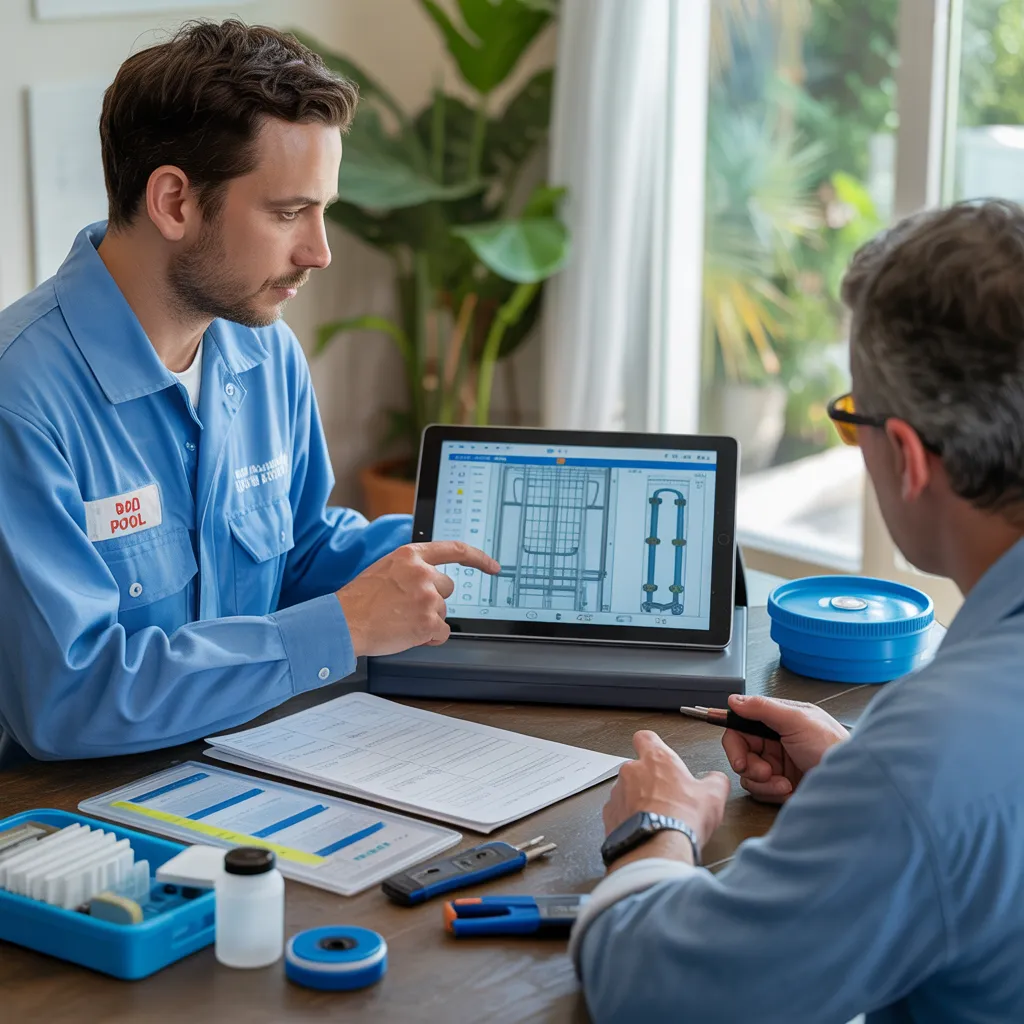
Usual Swimming Pool Problems
Swimming pool proprietors often face a range of common problems that need attention. One prevalent issue is water clarity, often stemming from insufficient filtering or imbalanced chemical levels. Algal growth can also pose challenges, flourishing in warm temperatures and poorly maintained water. Additionally, leaks are a common concern, possibly leading to substantial water loss and higher utility expenses.
An additional concern is the deterioration of pool areas, such as breaks in the plaster or tiles, which can damage aesthetics and safety. Equipment malfunctions, including pump problems or heater troubles, often disrupt pool enjoyment and necessitate timely maintenance. Finally, debris collection from leaves, dirt, and insects can impact water quality and require regular maintenance. Addressing these typical problems promptly guarantees not only a safe swimming environment but also prolongs the life of the pool and its components, allowing for continued enjoyment throughout the swimming season.
Do-It-Yourself Repair Strategies
Handling pool maintenance can be a rewarding project for homeowners seeking to reduce costs and strengthen their repair abilities. Frequent issues, such as pool liner leaks or tile cracks, can be effectively managed with do-it-yourself approaches. For instance, patching a vinyl liner can be accomplished using a simple repair kit, guaranteeing a waterproof seal. Homeowners can also manage minor cracks in concrete or plaster pools with epoxy fillers, delivering a durable solution.
Maintaining and cleaning pool filters is an necessary DIY activity that can improve water circulation and clarity. In addition, swapping out worn or broken pool equipment like pump parts or skimmers typically requires only simple tools and instructions from online resources. By mastering these skills, homeowners save on repair expenditures and develop a deeper understanding of their pool’s mechanics, resulting in a more enjoyable swimming experience throughout the year.
Economical Seasonal Pool Maintenance Advice
Low-cost periodic pool maintenance is imperative for prolonging a pool's longevity and ensuring water quality. Consistent water testing, effective filter maintenance, and using protective covers can significantly minimize repair costs over time. Establishing these techniques helps maintain a fresh and safe swimming environment while staying within budget.
Routine Water copyrightination
Maintaining proper chemical equilibrium is crucial for keeping a well-functioning pool in relevant article optimal shape. Regular water testing enables pool owners to track pH levels, alkalinity, and chlorine concentration, guaranteeing that the water remains clean and pleasant. By checking the pool at least once a week, owners can identify imbalances early, preventing expensive damage and water quality issues. Test kits are widely available and deliver quick results, making it simple to modify chemical compositions as needed. Additionally, monitoring water hardness stops scaling and corrosion, extending the lifespan of pool equipment. Adopting a consistent water testing routine not only improves the swimming experience but also promotes a safe environment for family and friends, making it a significant aspect of pool maintenance.
Reliable Filter Cleaning
A well-maintained filter is vital for peak pool performance and durability. Regular cleaning prevents debris buildup, which can lead to diminished water circulation and increased energy expenses. Pool owners should plan to maintain the filter every 4 to 6 weeks, considering usage and environmental conditions. A simple rinse using a hose can effectively remove surface grime, whereas a thorough cleaning might require soaking in a specialized solution for several hours. Moreover, monitoring and updating filter cartridges when necessary will assure superior filtration. Keeping the filter clean not just enhances water clarity but also prolongs the durability of the pool system, finally resulting in reduced maintenance expenses and a more pleasant swimming experience throughout the year.
Seasonal Cover Usage
A high-quality pool cover can significantly improve pool maintenance while minimizing costs. These covers function as a shield against debris, decreasing the need for frequent cleaning and chemical adjustments. By blocking debris, leaves, and pests from entering the pool, owners can reduce expenses for filter maintenance and water consumption. Additionally, a well-fitted cover helps retain heat, lowering heating expenses during colder months. Seasonal covers also protect the pool structure from severe weather conditions, potentially extending its lifespan. To maximize benefits, it is important to select a durable, UV-protected material that fits the pool snugly. Regularly inspecting and caring for the cover ensures its effectiveness, enabling affordable and effective year-round pool use while reducing repair costs over time.
Inexpensive Pool Repair Services
When homeowners notice leaks or cracks in their swimming pools, they often hunt for affordable pool repair services to bring back their oasis without breaking the bank. These services address a range of issues, from minor repairs to more significant structural damage. Many companies deliver fair rates, ensuring that pool servicing remains obtainable throughout the year.
Property owners should look for local contractors with favorable reviews and clear pricing structures. Some companies may extend complimentary estimates, allowing homeowners to plan finances before undertaking repairs. Furthermore, seasonal offers can decrease expenses, simplifying the process of addressing urgent repairs.
Must-Have Instruments for DIY Pool Repairs
To complete DIY pool repairs effectively, the right tools are crucial for both efficiency and safety. Wrenches and sealants, which are basic repair tools, serve as the foundation of any repair kit, while safety equipment ensures protection during the process. Understanding these essential items can equip homeowners to tackle repairs with confidence.
Essential Repair Tools Required
A well-stocked tool collection proves vital for people undertaking pool repair themselves. Key implements include rubber mallets which assist in adjusting connections while protecting fixtures, plus sets of wrenches for adjusting different pool parts. Screwdriver sets prove vital since they allow fixing pool panels and equipment. When sealing leaks, caulk guns and sealant that resists water are required. Pool brushes aid in surface cleaning prior to repairs, while submersible pumps remove excess water. Similarly handy, utility knives slice through liner materials. Having these fundamental tools readily available, swimming pool owners handle common issues efficiently and maintain their pools year-round.
Necessary Safety Gear
Anyone performing DIY pool repairs must have safety equipment, essential for ensuring both protection and observance with safety standards. Proper gear includes safety goggles to shield the eyes from debris and chemicals, gloves to protect hands from sharp objects and irritants, and reliable footwear to avoid slips and injuries. Wearing a hard hat is recommended when working in areas with overhead hazards. Moreover, a first-aid kit must be readily accessible for minor injuries. Those working with electrical components should use insulated tools and a voltage tester, crucial to prevent electric shock. By equipping themselves with these necessities, DIY enthusiasts can boost their safety when efficiently dealing with pool repair tasks. Putting safety first leads to a more pleasant repair experience.
Minimizing Major Pool Repairs
Maintenance functions as the foundation for avoiding major pool restoration. By adhering to a consistent upkeep schedule, pool owners can identify and address potential issues before they escalate. Routine tasks such as removing leaves, cleaning filters, and adjusting chemical levels are essential. Neglecting these simple actions may lead to more severe problems, including algae growth or system breakdown.
Moreover, monitoring pool parts—such as pumps, heaters, and liners—consistently can detect wear and tear early. Handling minor leaks or cracks quickly can avoid costly repairs down the line. Ensuring proper water levels and circulation helps copyright the structural integrity of the pool.
Furthermore, devoting effort in seasonal upkeep, such as winterizing, can protect the pool from environmental damage. Ultimately, careful upkeep not only improves the pool's lifespan but also protects the owner's financial stake, ensuring ongoing enjoyment for years to come.
Popular Questions Posed
How Can I Locate a Reliable Pool Repair Service Nearby?
To locate a credible pool repair service nearby, one can assess online reviews, request suggestions from friends, and browse local business directories. Comparing quotes and verifying licenses also guarantees quality and trustworthiness in service.
What Are the Signs My Pool Requires Immediate Maintenance?
Indicators that a pool requires immediate repair include obvious fractures, leaks, water discoloration, strange sounds from equipment, and persistent algae growth. Addressing these problems quickly can prevent further damage and guarantee secure bathing environments.
Do swimming pool maintenance services come with warranties?
Yes, many pool repair services offer guarantees covering parts and labor. These warranties can differ in duration and terms, so it's essential for homeowners to ask regarding specifics before committing to any repair service.
How Frequently Should I Inspect My Pool for Problems?
A pool should receive regular assessments at least once a month. However, seasonal changes or heavy usage may call for more frequent evaluations to detect potential issues early and ensure ideal maintenance and safety.
What Does a Pool Repair Cost on Average?
Pool repair costs typically range from $150 to $1,500 on average basis, varying based on the severity and kind of the issue. The overall costs can be notably impacted by factors like location and contractor expertise.